Travel
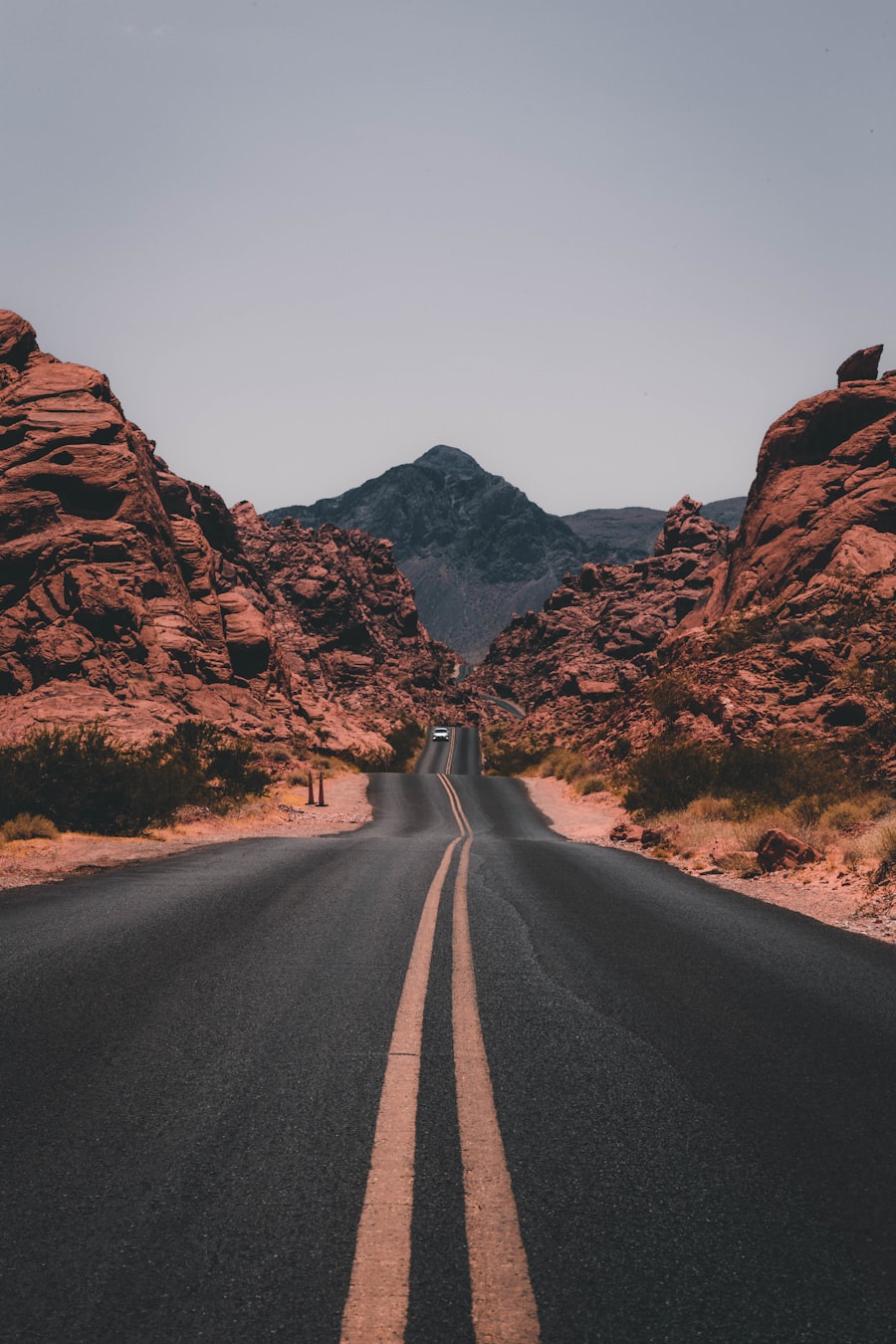
Why Slow Travel Is Changing The Way People Explore Mountains
Travelers are trading packed itineraries for longer stays, local food and quiet trails. Here is what the shift looks like.
You do not need expert gear to reach these peaceful spots. Start with this checklist and a good pair of boots.
Community events are growing in popularity as people look for real connection. Markets, small concerts and neighborhood clean-ups give everyone a reason to meet and a reason to come back.
Experts also remind us to rest. A good night of sleep, a few quiet minutes and time away from screens help the mind process everything it has seen and learned during the day.
If you are just getting started, keep a simple notebook. Jot down what you saw, what surprised you and what you want to try next time. Months later, those notes become a story of their own.
Safety and comfort come first. Comfortable shoes, a refillable bottle and a charged phone solve most problems before they begin, leaving you free to enjoy what is in front of you.
Some of the most memorable stories come from simple kindness. A shared umbrella, a recommendation from a shopkeeper or directions from a passerby can brighten an entire day.
Looking ahead, many predict that people will keep choosing slower, more meaningful experiences over crowded checklists. Quality, not quantity, is becoming the new measure of a good day.
That is the idea behind this collection of stories. Take what is useful, ignore what is not, and make your own version. The videos below show a few more ways people are doing exactly that.
Every great story starts with a small moment that most people overlook. A quiet morning, a conversation with a stranger or a detour that was never planned can turn into the part everyone remembers most.
Writers and travelers often say the best ideas arrive when the schedule is empty. Leaving room for surprise makes everyday routines feel fresh again and gives you something new to talk about.
Researchers who study daily habits found that tiny changes tend to last longer than big promises. Drinking a glass of water first thing or stepping outside for ten minutes is easier to repeat than a full overhaul.
Local guides recommend arriving early, walking slowly and asking one more question than you normally would. The extra curiosity often leads to a favorite cafe, a hidden viewpoint or a story you would not find online.
Food has always been a shortcut to understanding a place. A simple meal shared at a crowded table can say more about a community than any guidebook, and it is usually the cheapest part of the trip.
Technology is making many of these experiences easier, from offline maps to translation apps. Still, most people agree that the best moments happen when the phone goes back in the pocket.
Travelers are trading packed itineraries for longer stays, local food and quiet trails. Here is what the shift looks like.

From a short walk to a screen-free breakfast, these small routines are easy to start and simple to keep.

A look at the new devices getting attention for battery life, design and everyday usefulness.